

The Sourashtrian Weavers of Madurai - The Custodians of Sungudi
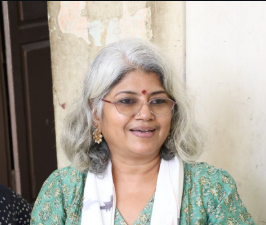
Jayabarathi
Temple of Sungudi
Behind every Sungudi saree lies a story that spans four centuries and stretches from the plains of Gujarat to the temple city of Madurai. The Sourashtrian community-also known as the Sourashtra or Patnulis-are the original weavers and custodians of the Sungudi art form, and their migration is one of the most remarkable chapters in India's textile history.
The Great Migration
The Sourashtrians migrated southward from the Saurashtra region of Gujarat in the early 16th century, escaping political upheaval. They were invited to settle in Madurai by the Nayak kings, who recognized their exceptional weaving skills and offered them patronage. The weavers brought with them their looms, their language (Sourashtra), and their techniques-including the tie-dye method that would eventually become what we know today as Sungudi.
A Community Bound by Craft
Even today, the Sourashtrian community in Madurai maintains a strong cultural identity centered around their craft. The weaving and dyeing knowledge is passed down from parent to child, often starting at a very young age. The women of the community are particularly central to the Kaikattu (hand-tying) process, contributing countless hours of intricate manual labor to each saree.
Their Legacy Today
The Geographical Indication (GI) tag awarded to the Madurai Sungudi saree is, in many ways, a formal recognition of the Sourashtrian community's enduring contribution. When you purchase an authentic Sungudi, you are not just buying a garment-you are honoring a 400-year-old legacy and supporting a community that has given India one of its most beautiful handloom traditions.